
Craftsman Bungalows Of Ravenswood Manor Tour
Meet Your Guide: Ronnie Frey of @doorwaysofchicago

- Hi, I’m Ronnie! I’m an interior designer who’s obsessed with cool buildings, vintage vibes, and the stories hiding behind Chicago’s architecture.
- During the pandemic, I started wandering around the city to get out of the house, snapping photos of interesting doorways and posting them on Instagram. That turned into something bigger-my creative outlet, my meditation, and eventually… my job!
- In 2021, I launched my first walking tour and was instantly hooked. Since then, I’ve hosted hundreds of guests, created six of the most popular Chicago walking tours, and built one of the city’s biggest architectural & lifestyle Instagram accounts: @doorwaysofchicago
Welcome to the Arts & Crafts Bungalows of Ravenswood Manor tour!
On this tour, we’ll explore how Ravenswood Manor came to be and the people who shaped it. You’ll see plenty of Arts & Crafts bungalows with their classic Craftsman details, and I’ll point out the little design features that make them special. Along the way, you’ll also hear stories about the homes of Chicago sports legends, colorful neighborhood characters, and the history tucked into these tree-lined streets.
HISTORY:
Ravenswood Manor, along the North Branch of the Chicago River, was developed in the early 1900s by real estate pioneer William E. Harmon. He promoted it as a “suburb beautiful,” with tree-lined streets, Arts & Crafts bungalows, and green space. In 2008, Ravenswood Manor was added to the National Register of Historic Places.
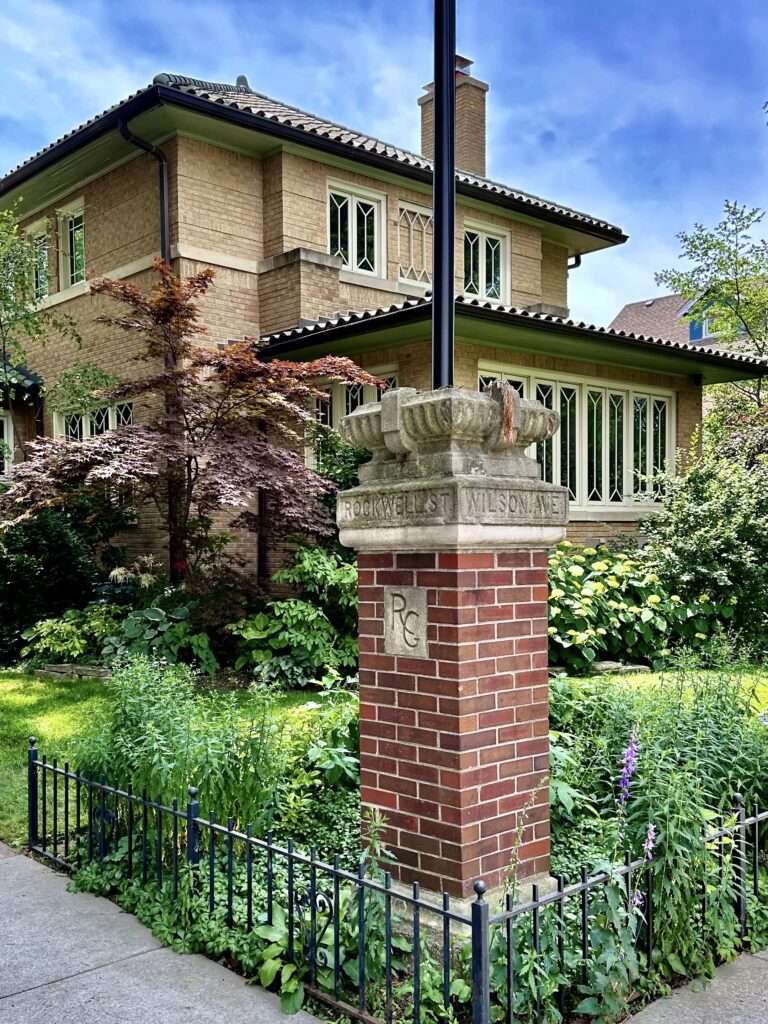
One of the neighborhood’s early highlights was the Sunken Gardens, designed with pergolas, urns, and floral plantings along the river. You’ll also notice the sturdy brick and limestone columns throughout the Manor…signature details that help define its character.
1 William Harmon – Harmon & Co.
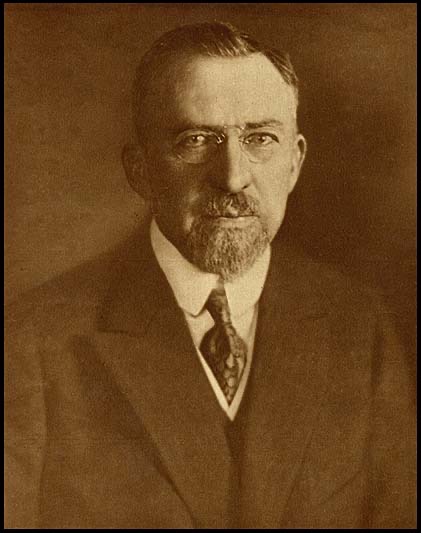
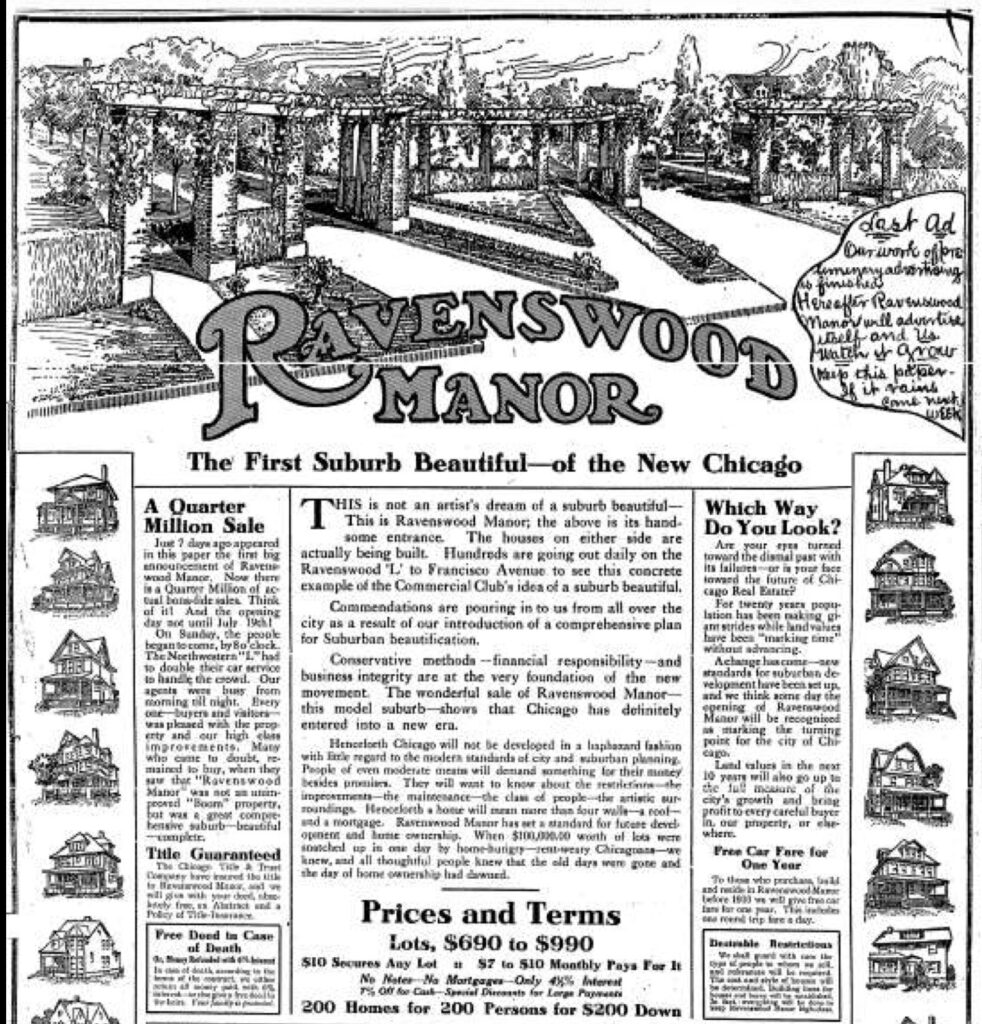
William E. Harmon founded his real estate company in 1907 and launched Ravenswood Manor as one of his first big projects. Using his “Easy Pay Plan,” families could buy homes with a small down payment and monthly installments, making ownership accessible to many.
He promoted the neighborhood as “The First Suburb Beautiful—of the New Chicago,” with tree-lined streets, green spaces, and even a $2 annual fee for upkeep. Though growth was slow at first, the Ravenswood Manor Improvement Association formed in 1914 and continues today. Harmon also envisioned the river as a boating gateway—some homes here still keep private docks.
2 Ravenswood Manor Park – 4640 N. Manor
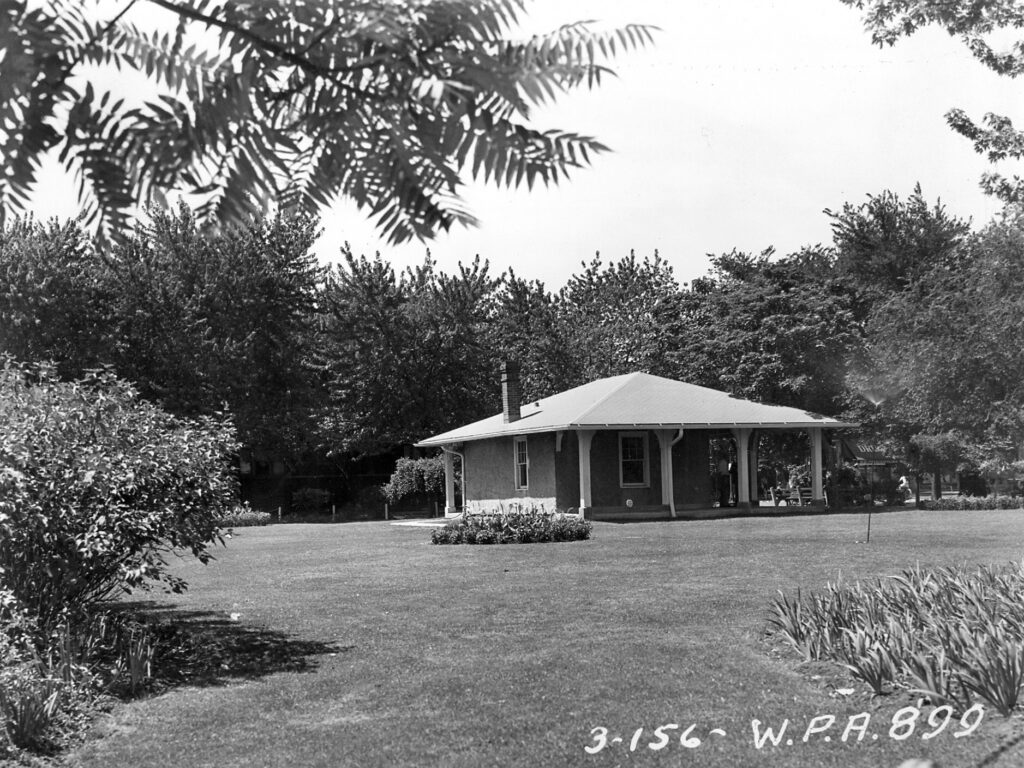
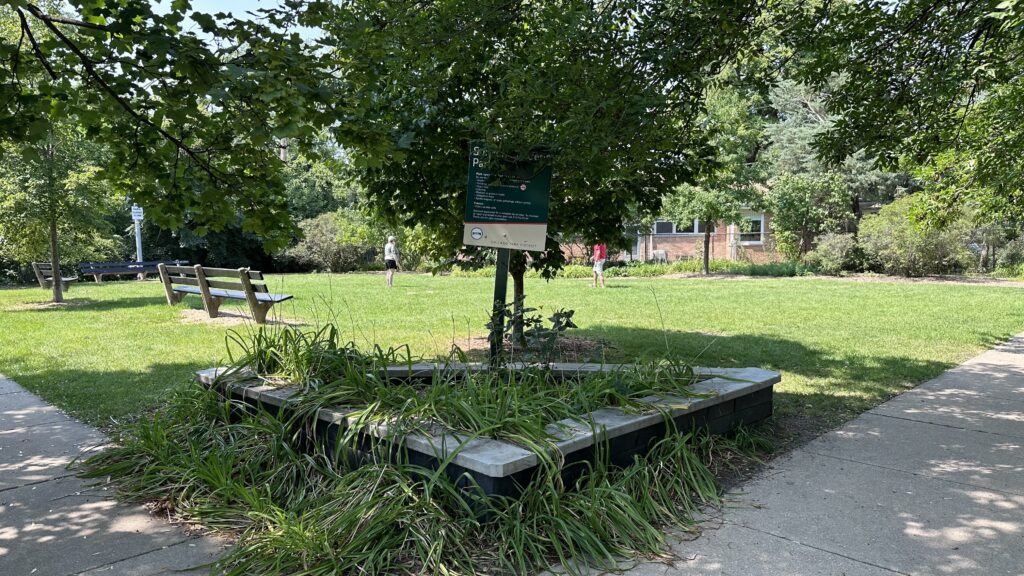
Located in the center of Ravenswood Manor, this 0.83-acre park has been the neighborhood’s gathering spot since 1915. Originally it had benches, trees, a pergola, and even a stucco office building that doubled as a community clubhouse. Today, it’s still the place for concerts, playground fun, and green space by the river.
3 Francisco Station CTA Brown Line – 4648 N. Francisco
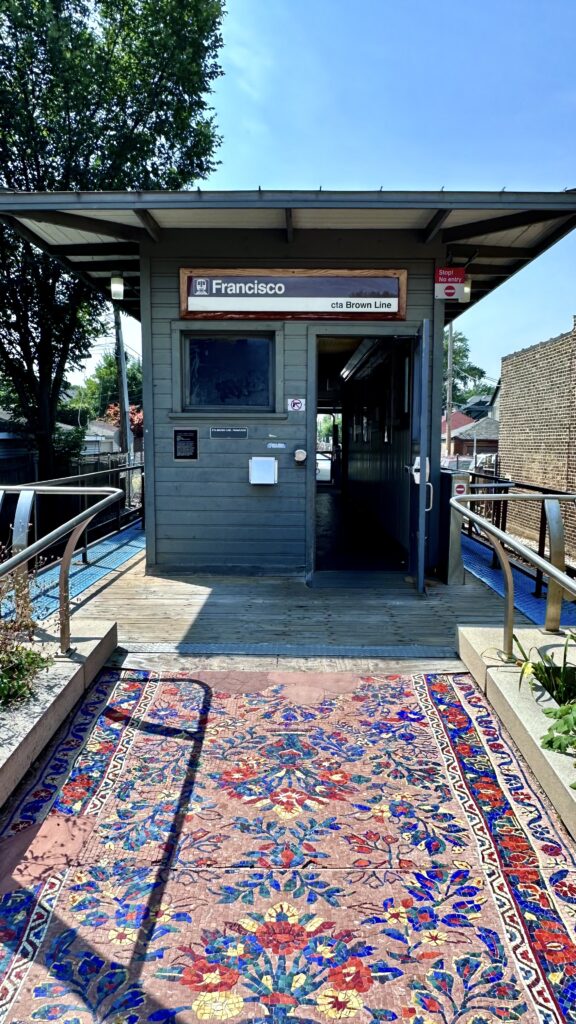
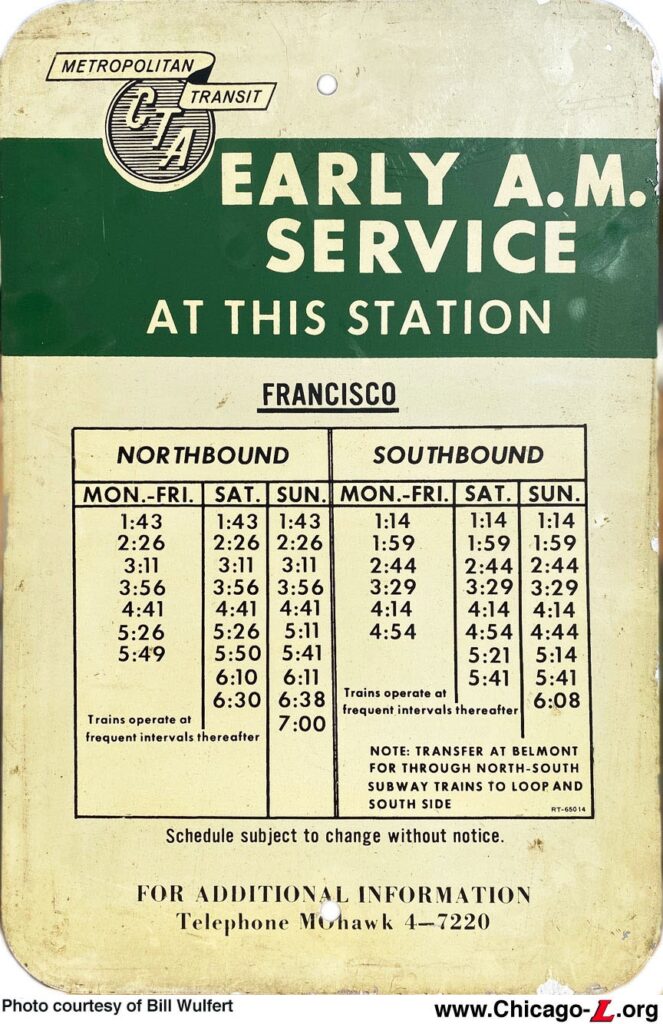
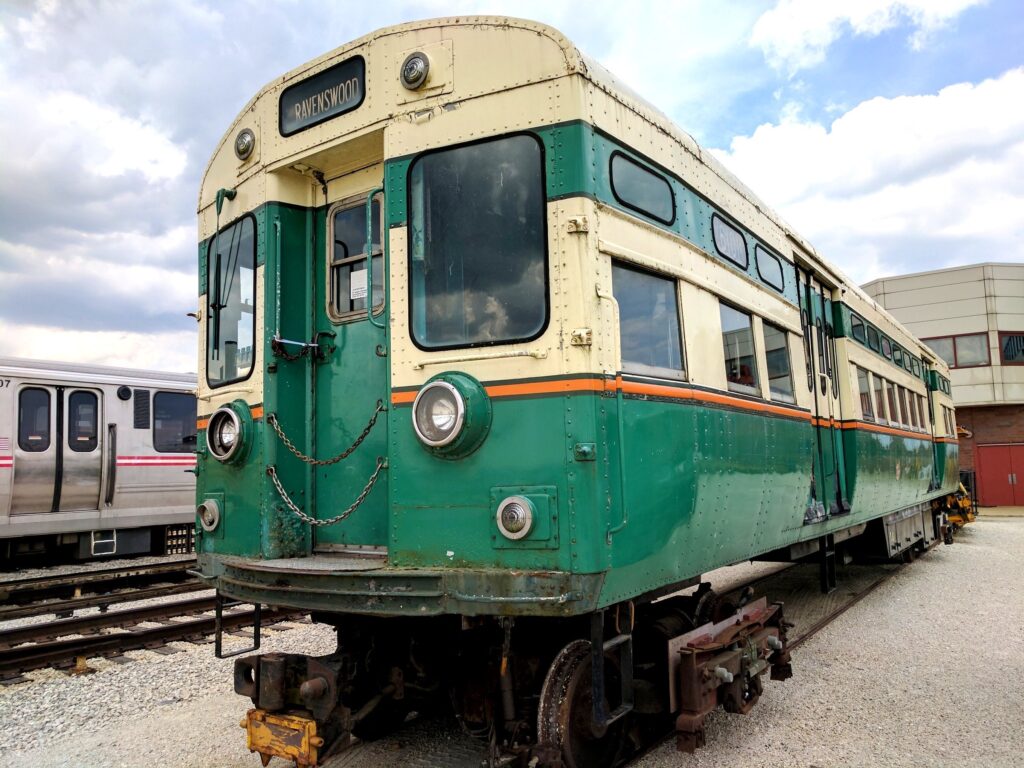
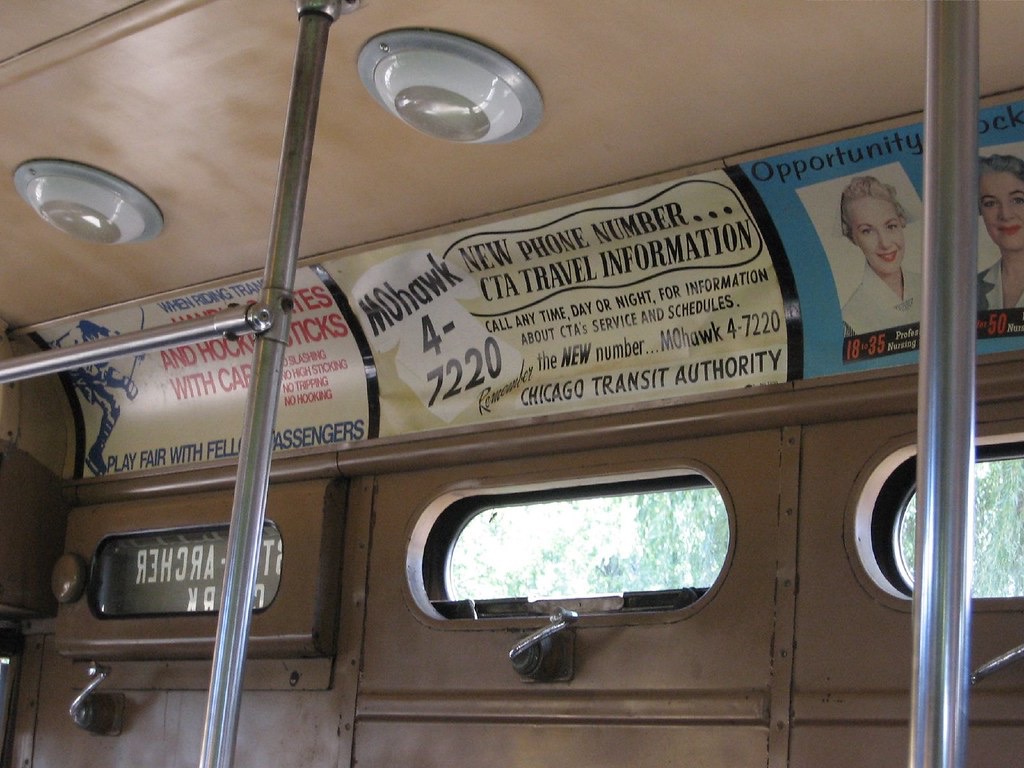
Opened in 1907, Francisco Station almost didn’t survive the 2005 Brown Line renovation, but neighbors successfully fought to preserve it. The clapboard station was restored and made accessible with a mosaic-tiled ramp. Time Out Chicago once ranked it among the best CTA stops for its street-level charm. The station even appears in the 1994 film Richie Rich.
4 The Buckinghams’ House – 4727 N. Sacramento
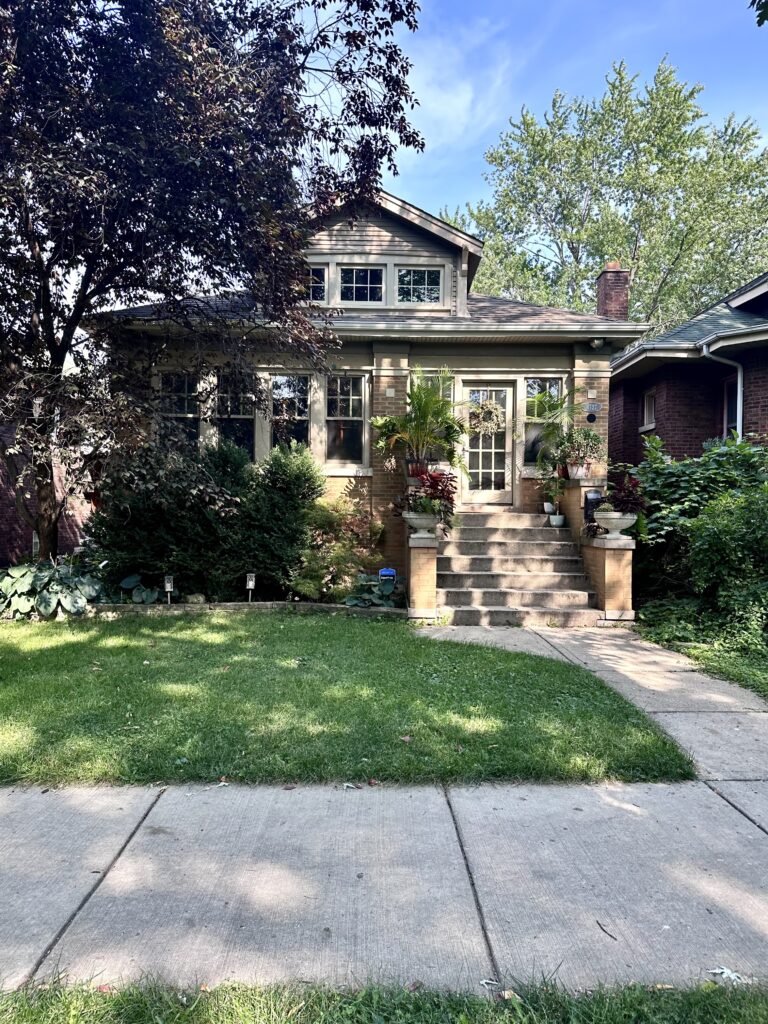
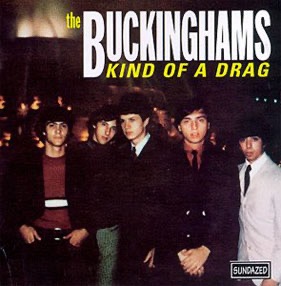
Carl Giammarese of the British Invasion band The Buckinghams lived here. The group, originally called The Pulsations, formed in 1966 and shot to fame with their #1 hit Kind of a Drag in 1967. They appeared on The Ed Sullivan Show and toured with The Beach Boys and The Who. The band practiced in this garage.
5 Abe Saperstein’s Home – 2948 W. Eastwood
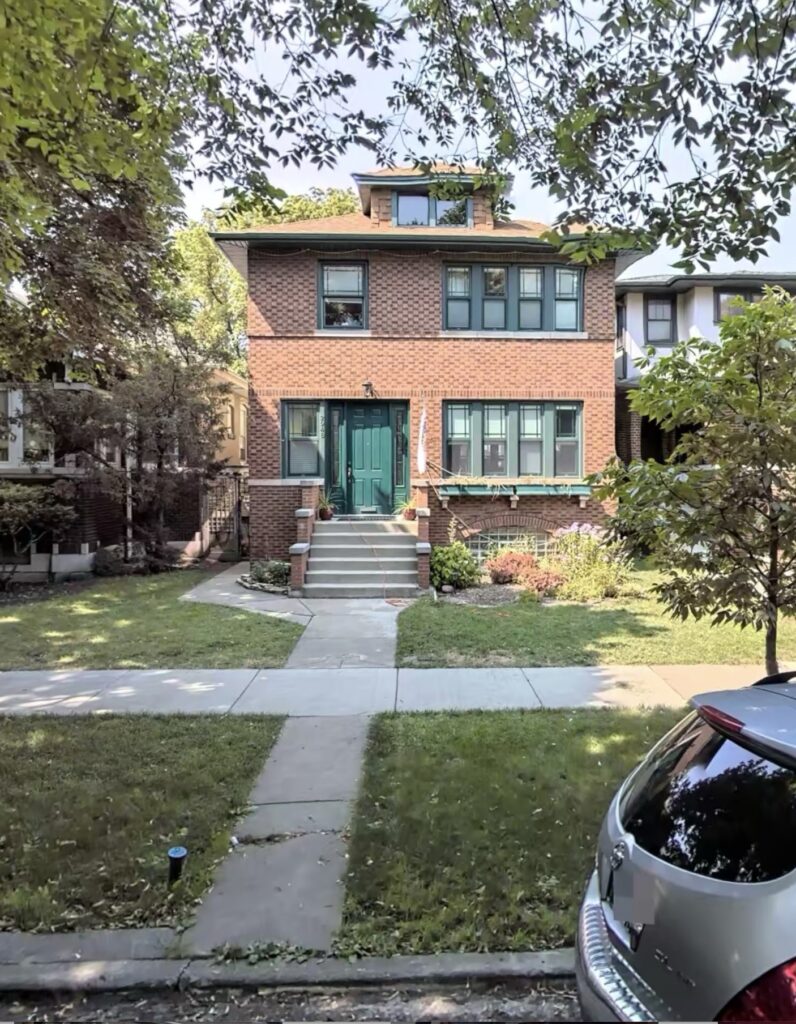
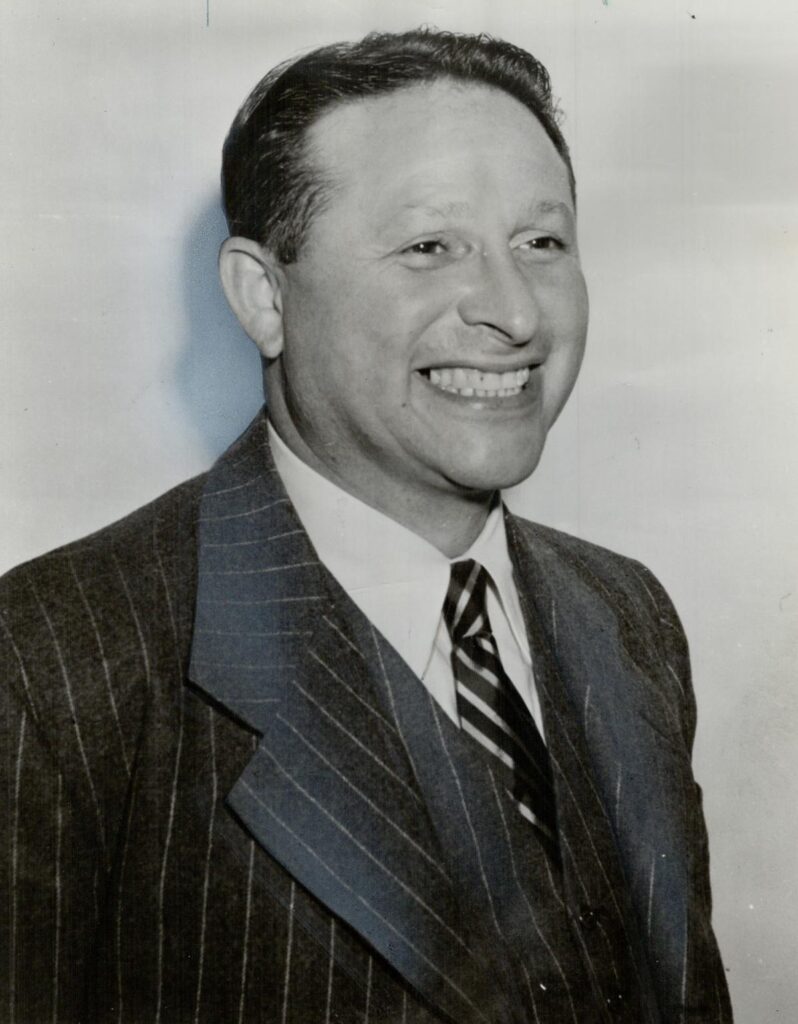
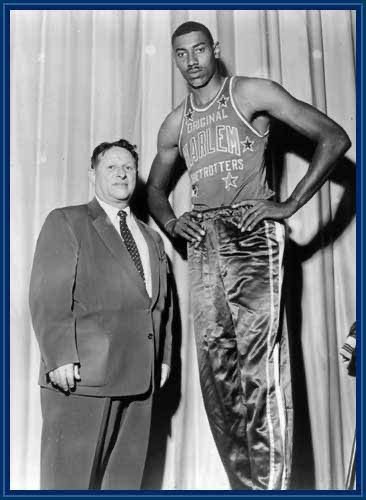
Abe Saperstein, founder of the Harlem Globetrotters, lived here until his death in 1966. He created the team in 1926 and envisioned them as global ambassadors for the sport. At just 5’5”, he remains the shortest member of the Basketball Hall of Fame. Fun fact: he personally sewed the team’s first uniforms.
6 Fred Pfeffer’s Home – 2928 West Wilson
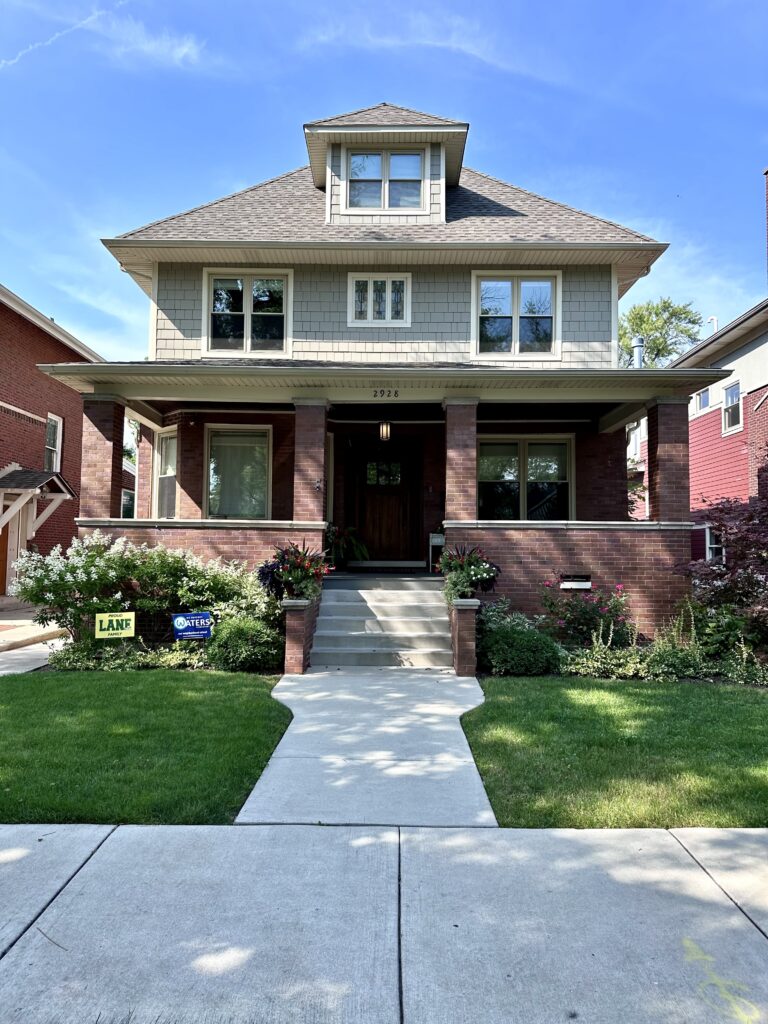
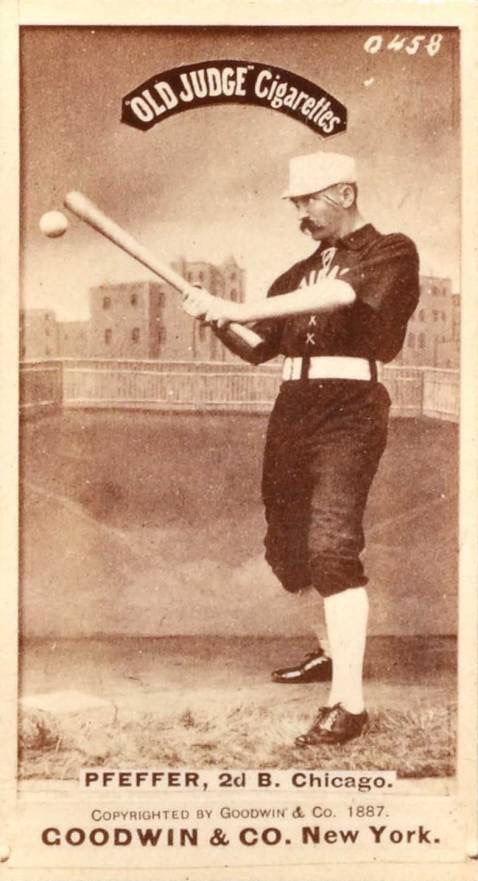
Fred Pfeffer, a Chicago baseball star of the 1880s–90s, lived here until his death in 1932. Over 16 seasons he racked up 94 home runs, 1,021 RBIs, and 383 stolen bases. Known as “mercury quick and acrobatic,” he was one of the last major leaguers to play without a glove. Later he ran a Loop tavern until Prohibition.
7 Randy “Handsome Ransom” Jackson’s Home – 2858 W. Wilson
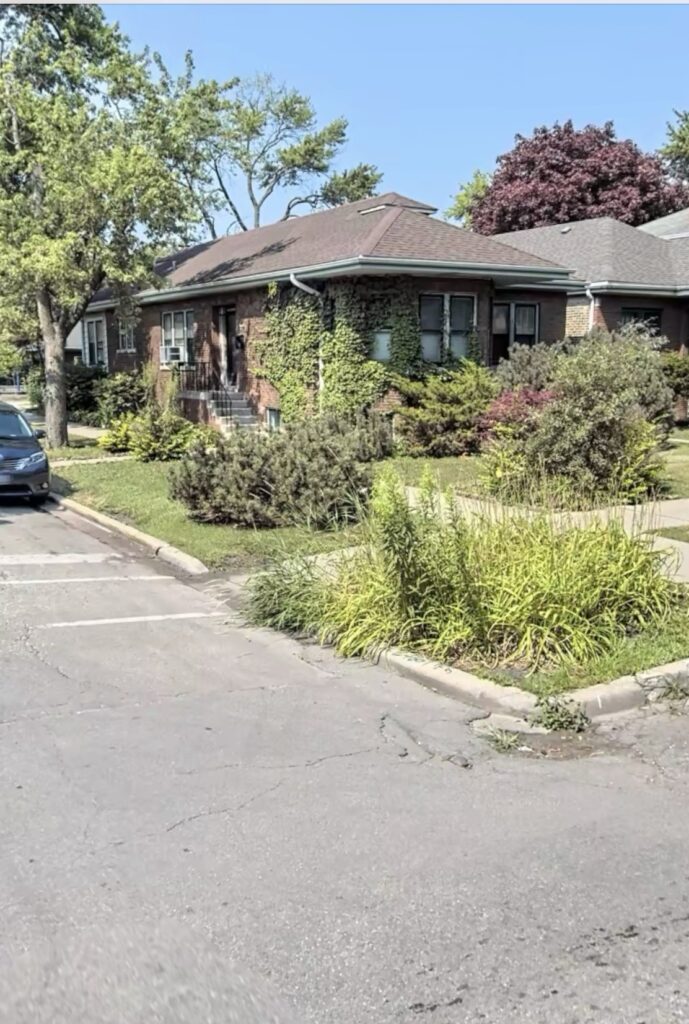
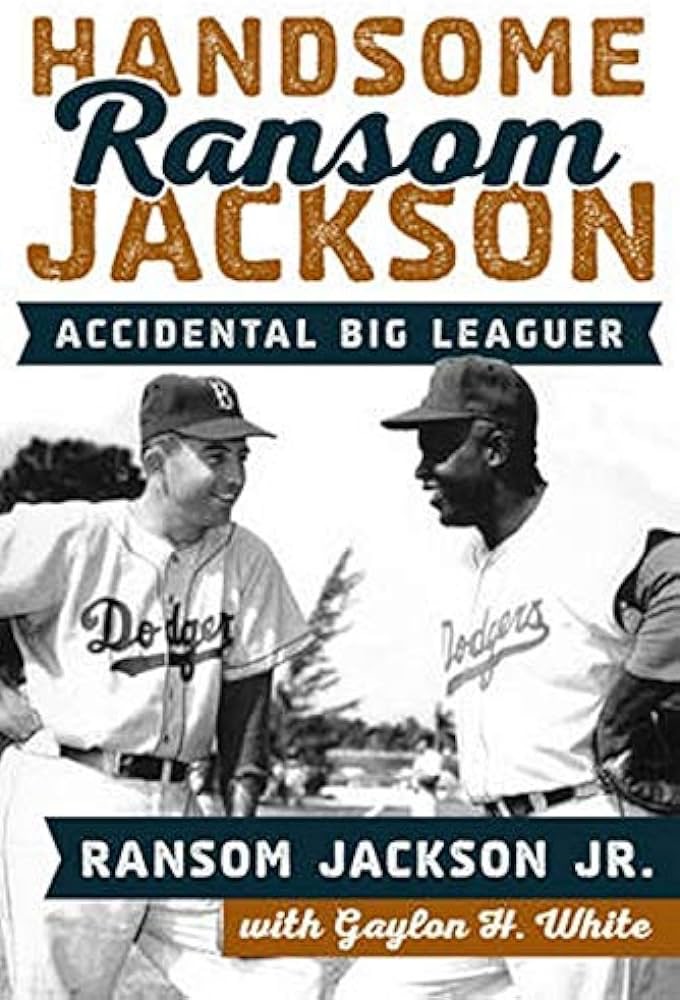
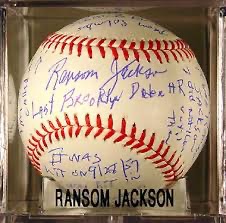
Cubs third baseman Randy Jackson lived here from 1951–55. He was an All-Star in 1954 and 1955 and later joined the Brooklyn Dodgers, where he replaced Jackie Robinson. In 1957 he hit the last home run in Brooklyn Dodger history before the team moved to Los Angeles.
8 Craftsman Bungalow – 2857 W. Wilson
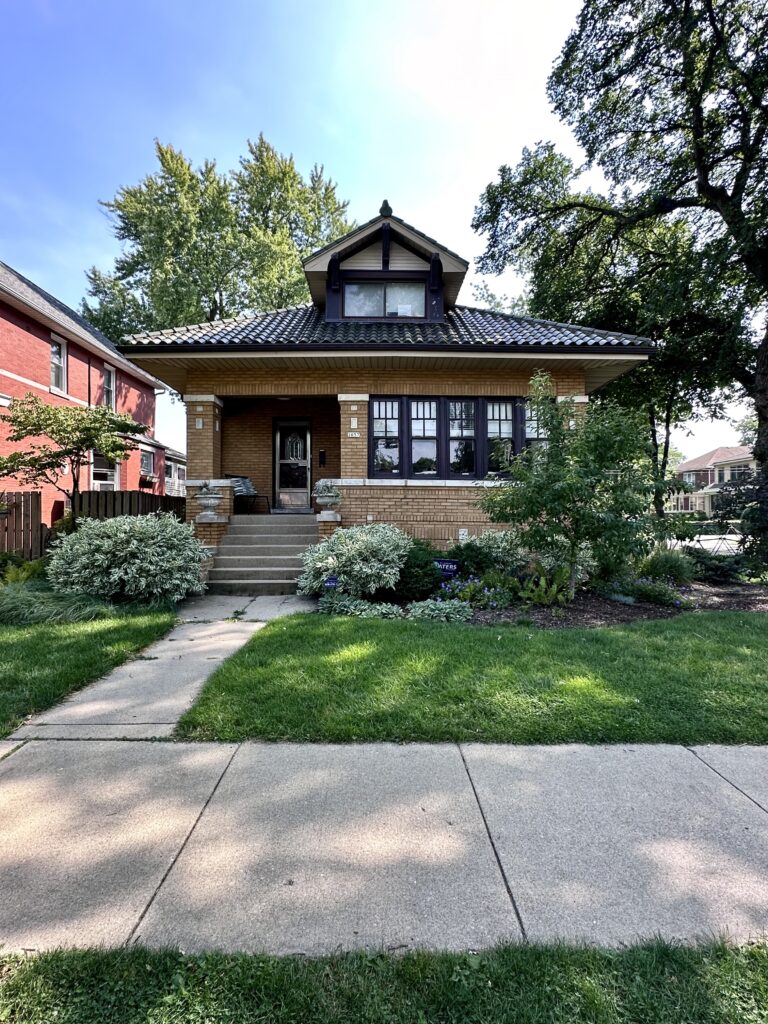
This Craftsman bungalow mixes brick, tile, clapboard, and stone with six-over-one windows and brick pier columns. Its most distinctive feature is the Japanese-inspired finial on the dormer, a nod to global influences on the Arts & Crafts movement.
9 The Bower House – 2839 W. Wilson
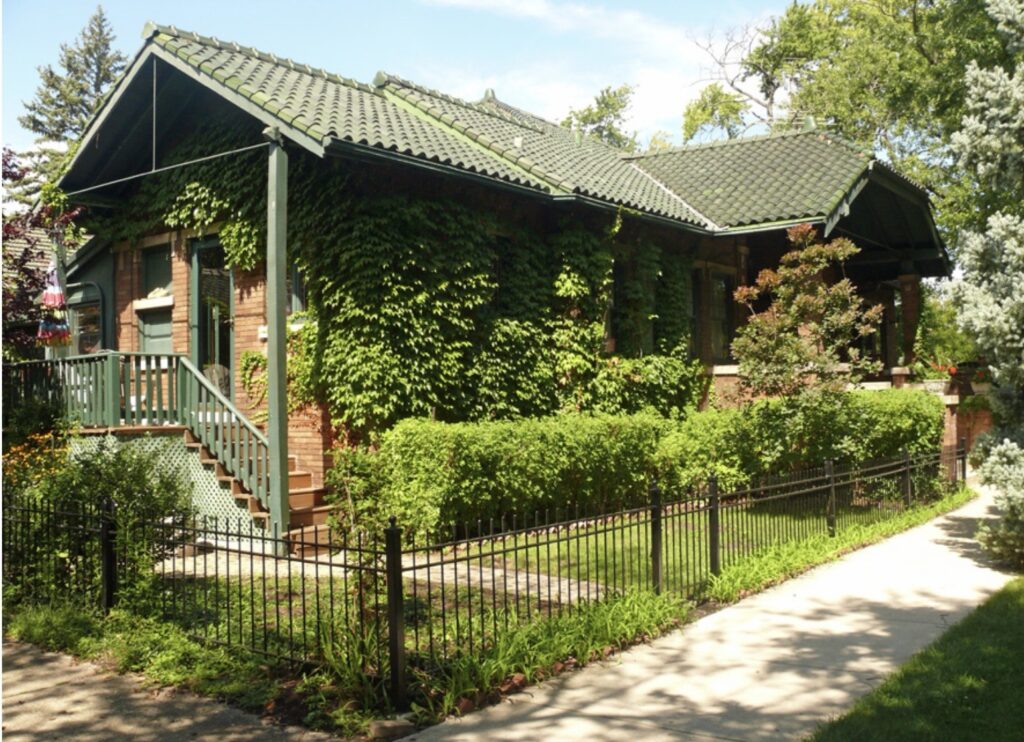
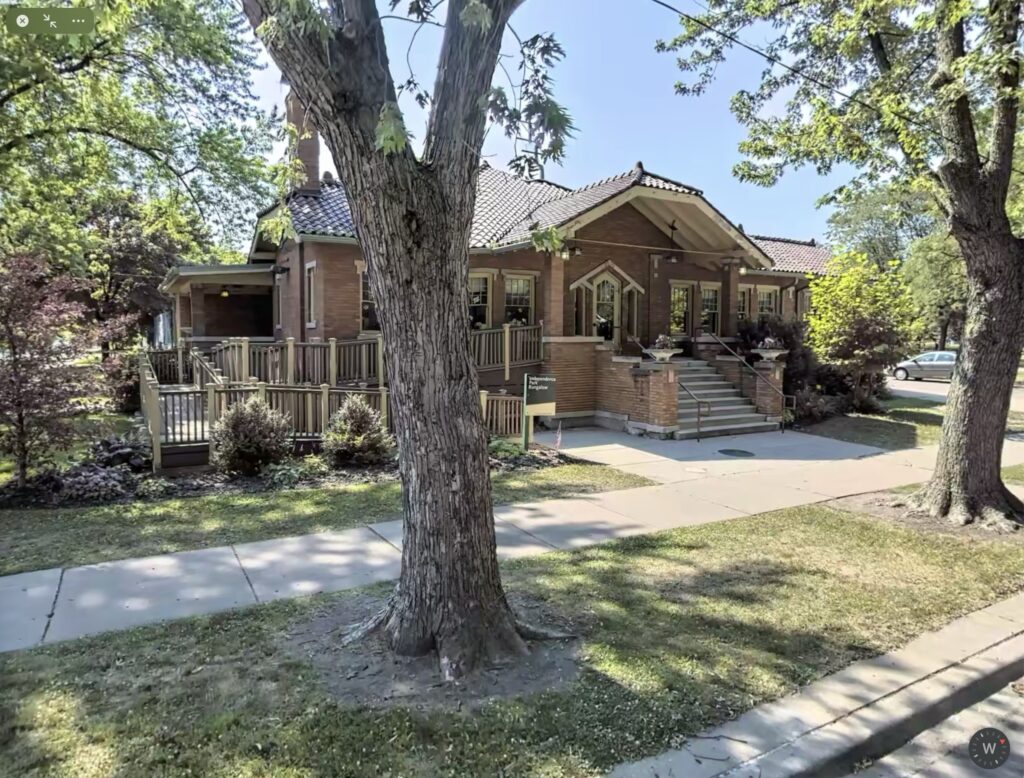
Built in 1919 by architect Benedict Burns, this home blends Prairie, Craftsman, and Japanese design. Burns showed it off to a client mid-construction, who immediately ordered an identical copy—still standing in Independence Park. Its wide eaves and rafters reflect Craftsman ideals, while its horizontal lines nod to the Prairie School.
10 Michael Ahern’s Home – 4536 N. Mozart
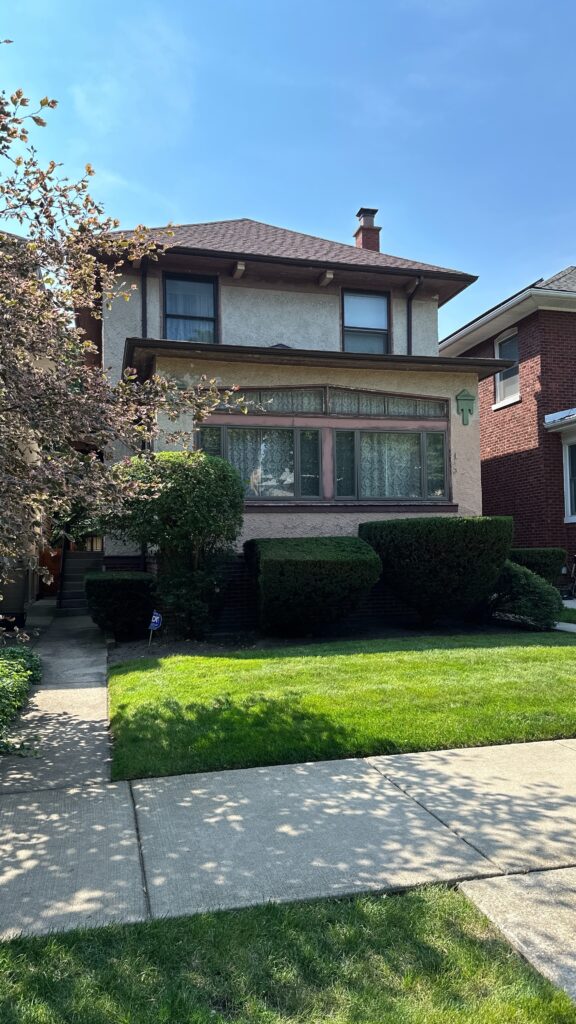
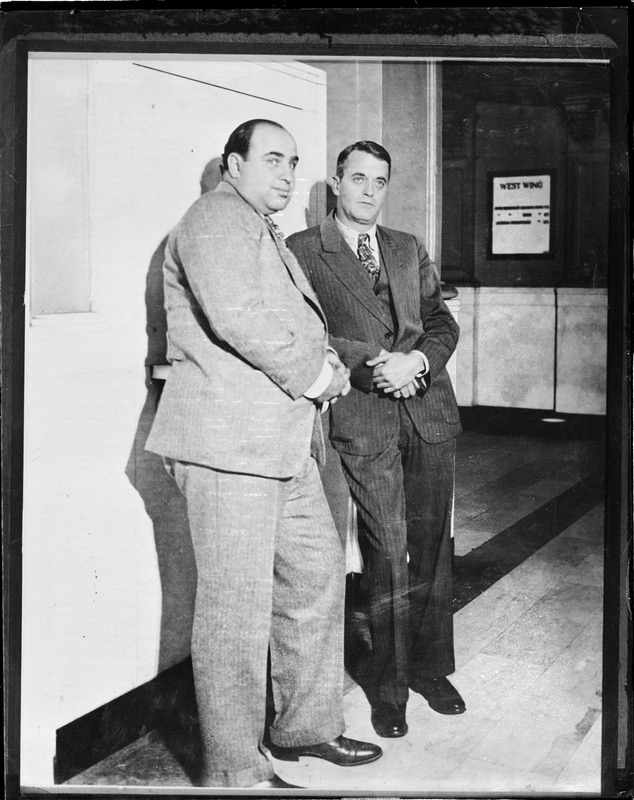
Defense attorney Michael Ahern lived here until his death in 1943. He defended the White Sox players in the 1919 Black Sox scandal and later represented Al Capone in his 1931 tax trial. He won the Sox case but lost the Capone case—sending Chicago’s most famous gangster to prison.
11 High Fidelity House – 4532 N. Mozart
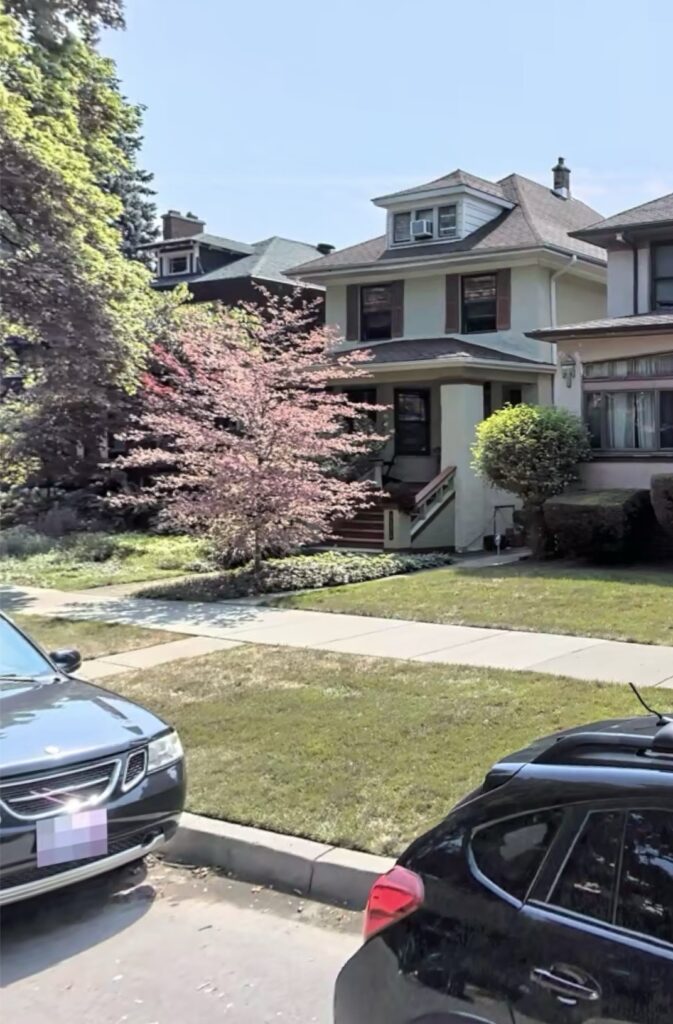
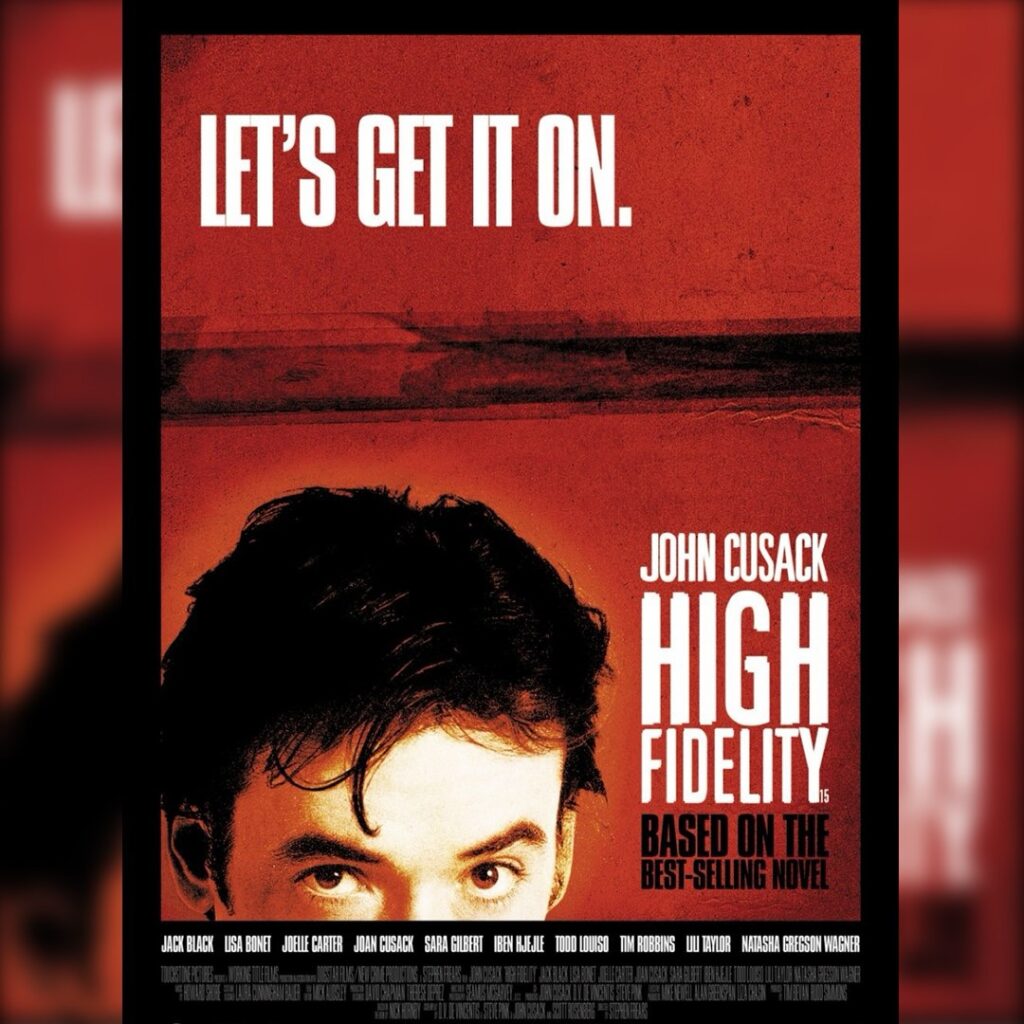
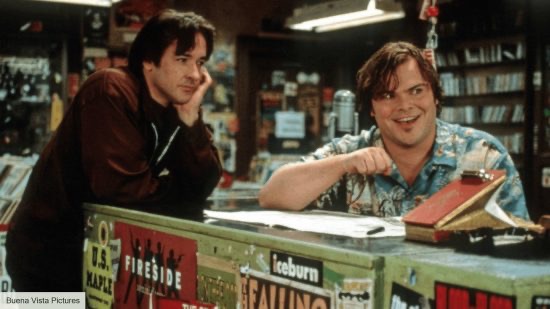
This home appeared in the 1999 film High Fidelity, starring John Cusack. The basement was used for a make-out party scene that took three days to film, though it lasts less than a minute on screen.
12 Schmidt-Newell Tudor Revival – 4500 N. Mozart
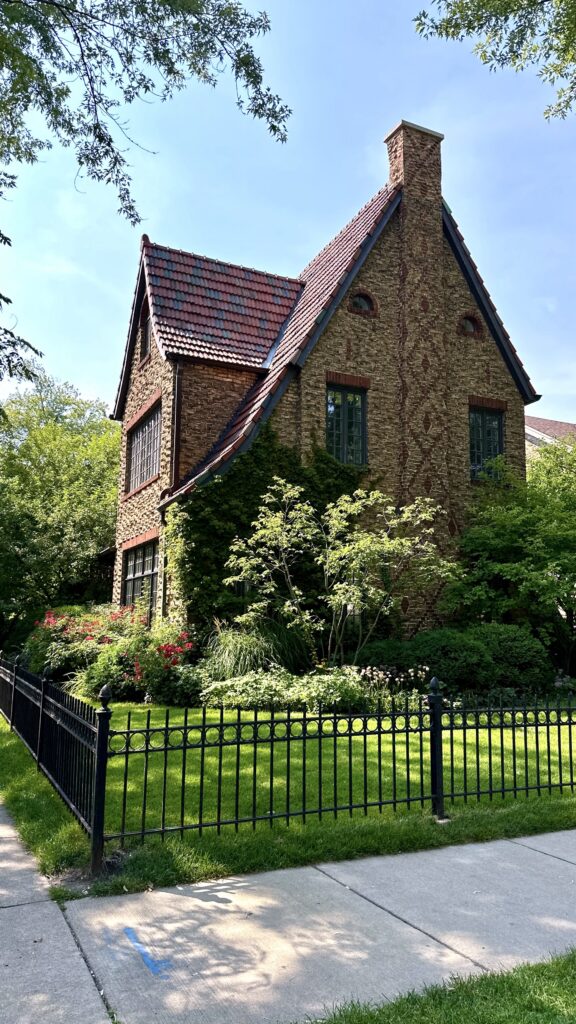
Built in 1927 by Teich & Sullivan, this Tudor Revival home uses “weeping mortar,” a technique where masons let mortar drip between bricks to create an aged look. Other details include red brick lintels, a diamond chimney, and a concrete shingle roof. Construction cost was $10,000.
13 Sid Luckman’s Apartment – 2749 W. Sunnyside
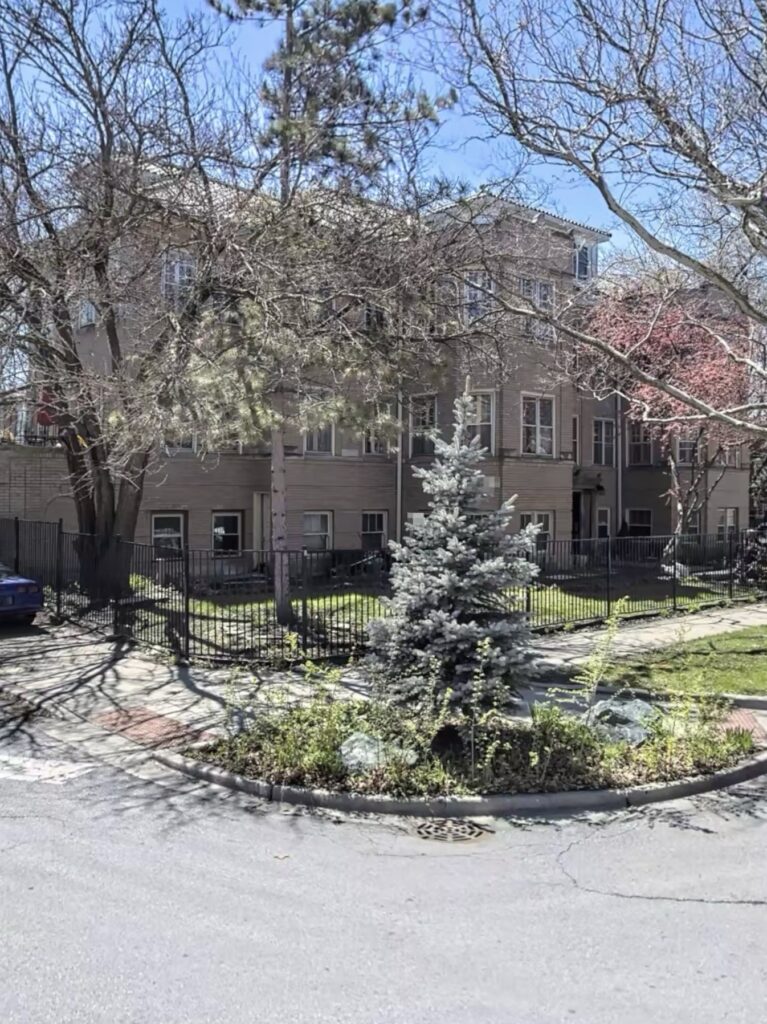
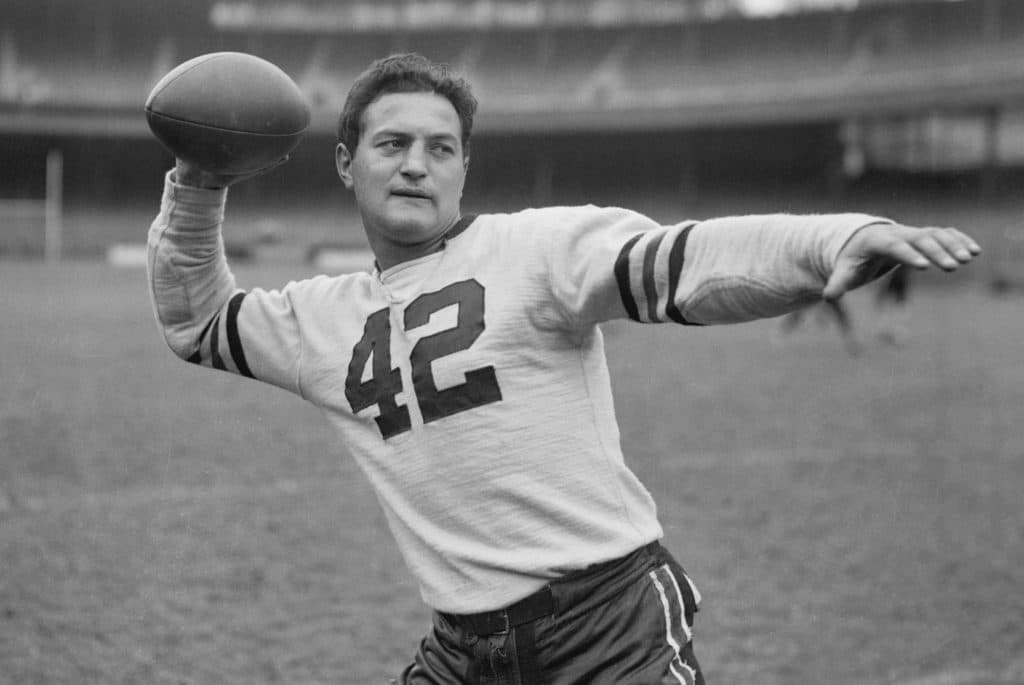
Built in 1928, this apartment building once housed Chicago Bears quarterback Sid Luckman. He played 12 seasons, leading the team to four NFL championships, and was inducted into the Hall of Fame in 1965.
14 Buffalo Park – 4501 N. California
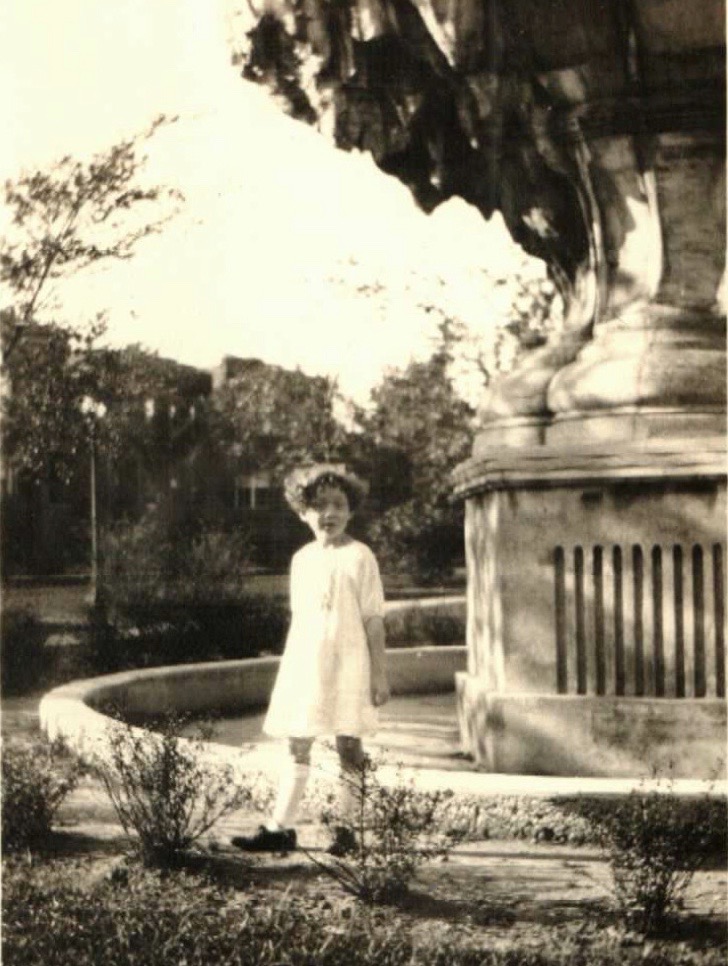
This park was once home to Potawatomi camps, later farmland, and by the 1890s, a racetrack that hosted horse races, cycling, and pigeon shooting contests. In 1917, a fountain with carved buffalo heads gave the park its name.
15 Judge Morgan’s Bomb Shelter Home – 4505 N. Manor
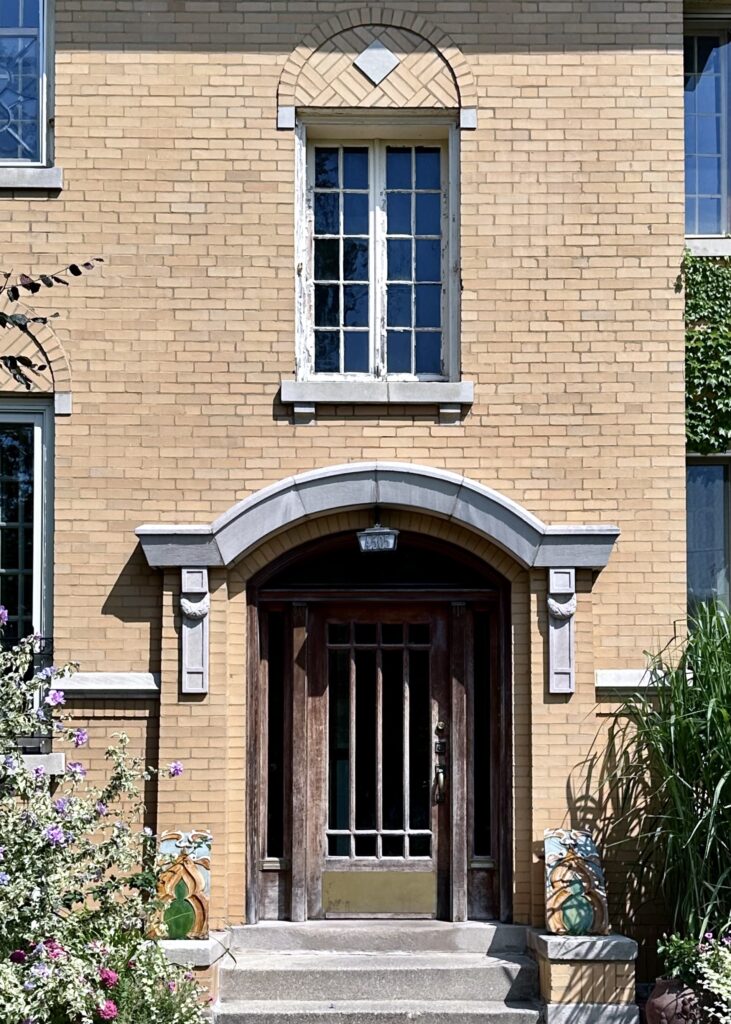
Judge William Morgan lived here in the 1920s. The basement holds a full jail cell with bars, an iron door, and a concrete ceiling. The architect of the house later specialized in bomb shelter design.
16 Justus Roe Garage Mural – 2724 W. Sunnyside (In the alley behind this address)
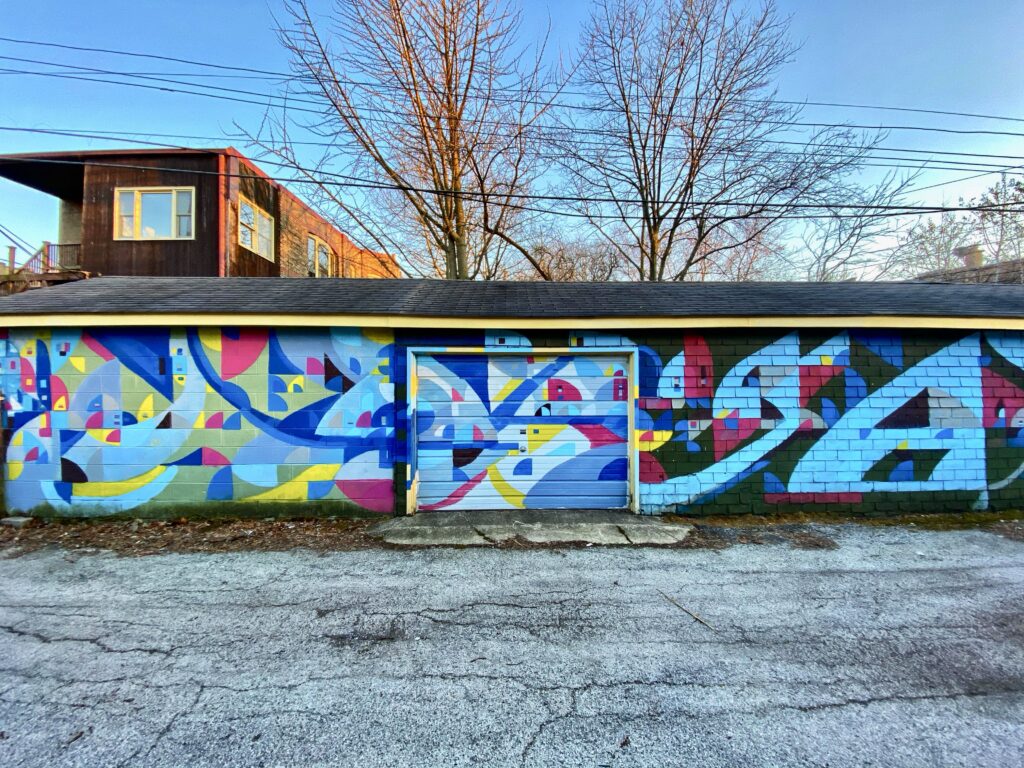
Chicago artist Justus Roe creates large-scale works inspired by city grids and aerial views. His murals can be found across Chicago and beyond, including Los Angeles and Toronto. This garage is one of his local pieces.
17 The Carlson House – 2760 W. Windsor
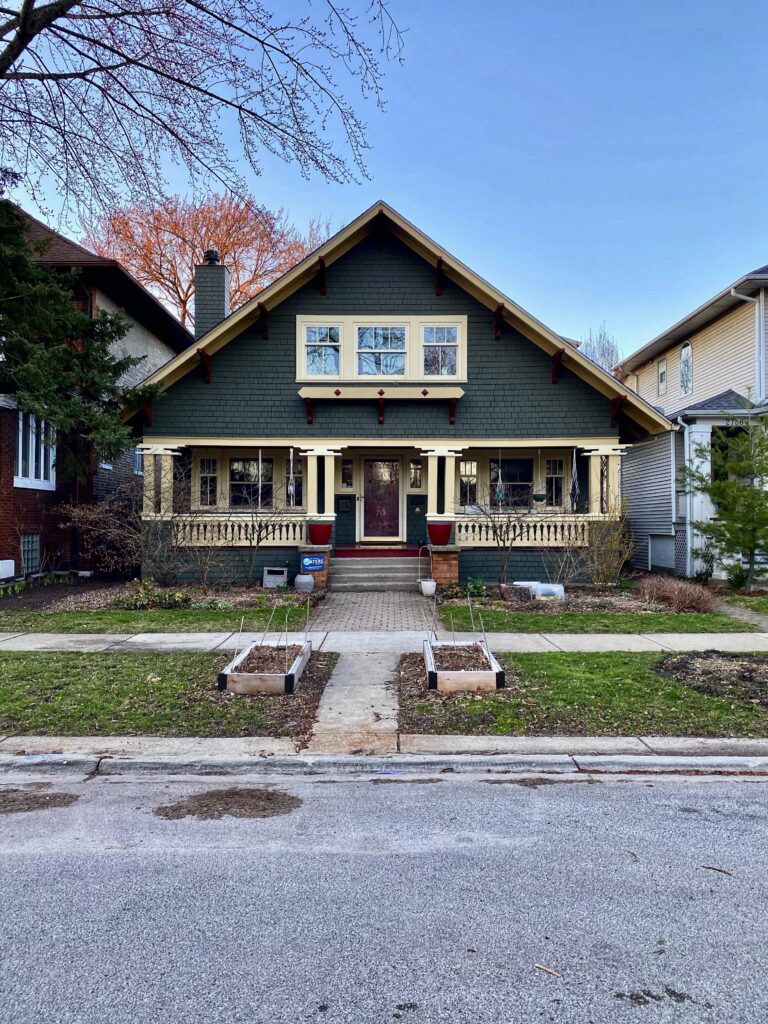
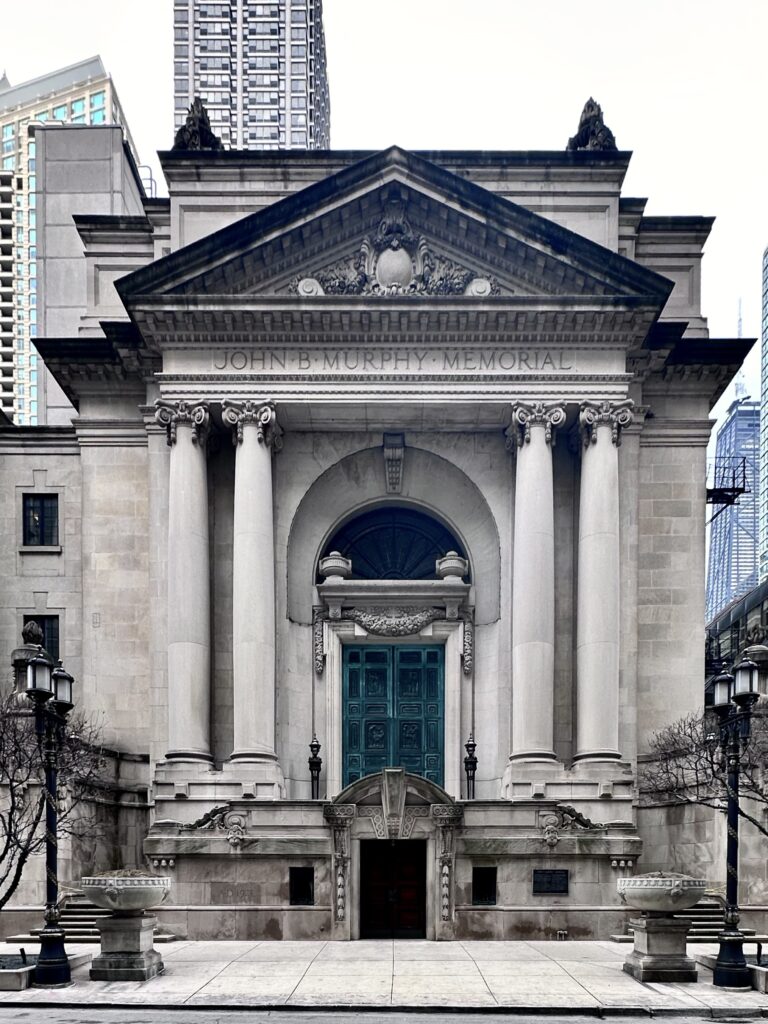
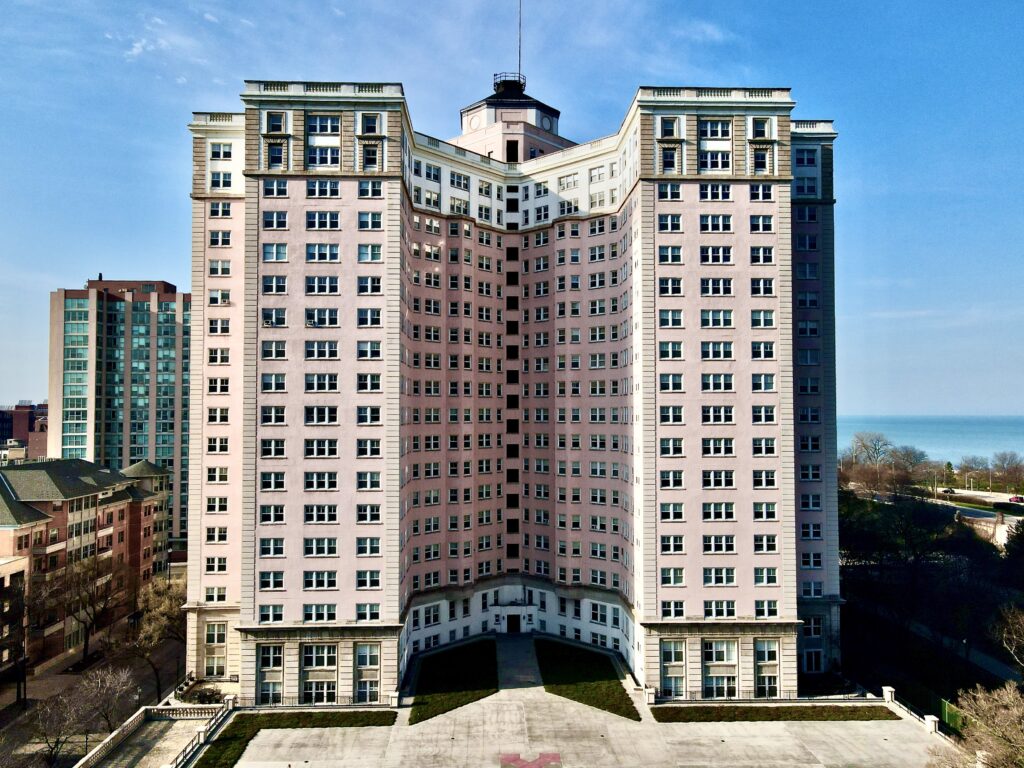
Designed by Horatio Wilson, a prolific Chicago architect and Fellow of the AIA, this bungalow shows his residential work. Wilson partnered with Benjamin Marshall at Marshall & Fox, the firm behind the Edgewater Beach Apartments and the John B. Murphy Auditorium. Here, notice the porch columns with Japanese-style capitals and the jigsaw-cut banister.
Save the date: Driehaus Museum Fall Market – Saturday, September 27 – 18 vendors – jewelry, art, photography, items from the Museum shop. Also, the Driehaus will be hosting a book release/signing event sometime next summer! Stay tuned!
18 The Sherman House – 2730 W. Windsor
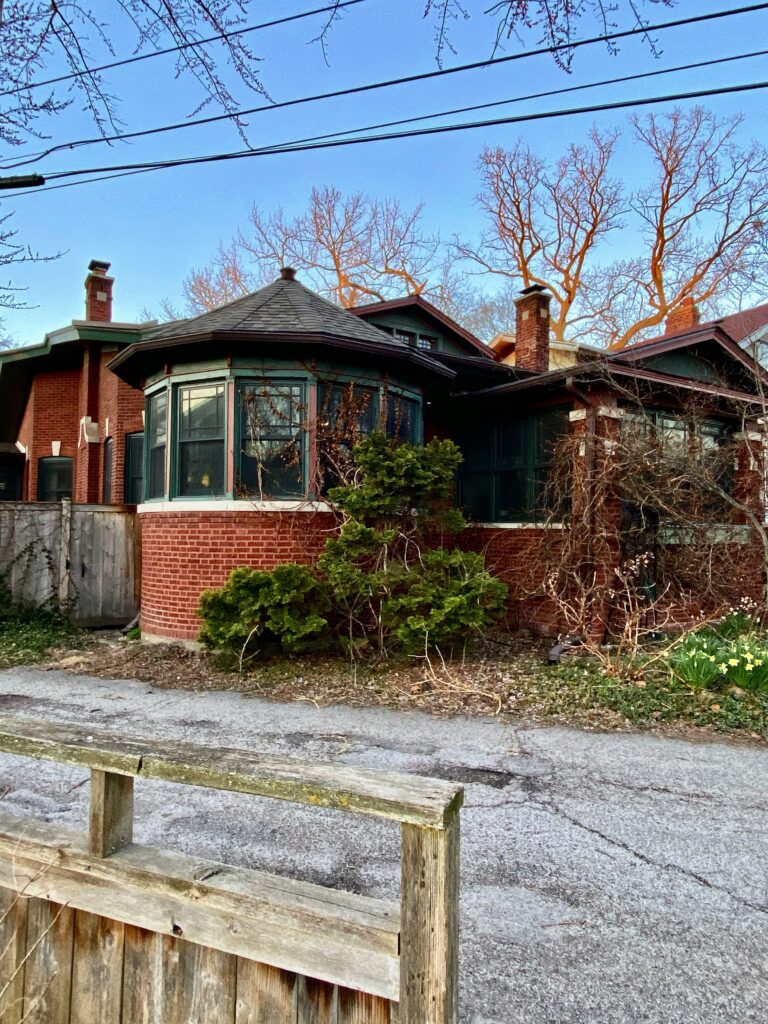
This Arts & Crafts bungalow was designed by George Pursell and built for Robert Sherman, a theatrical manager. The turret room was used as a music conservatory, and the basement had a performance stage, making the house part home, part venue.
19 Little Al’s House – 2806 W. Eastwood
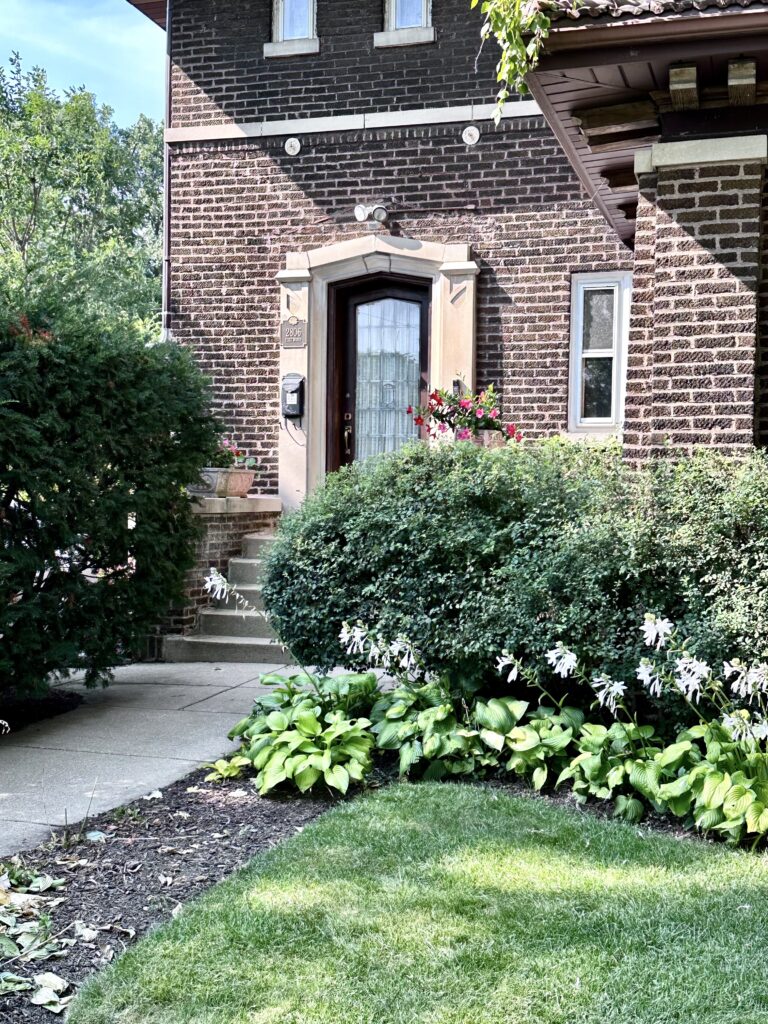
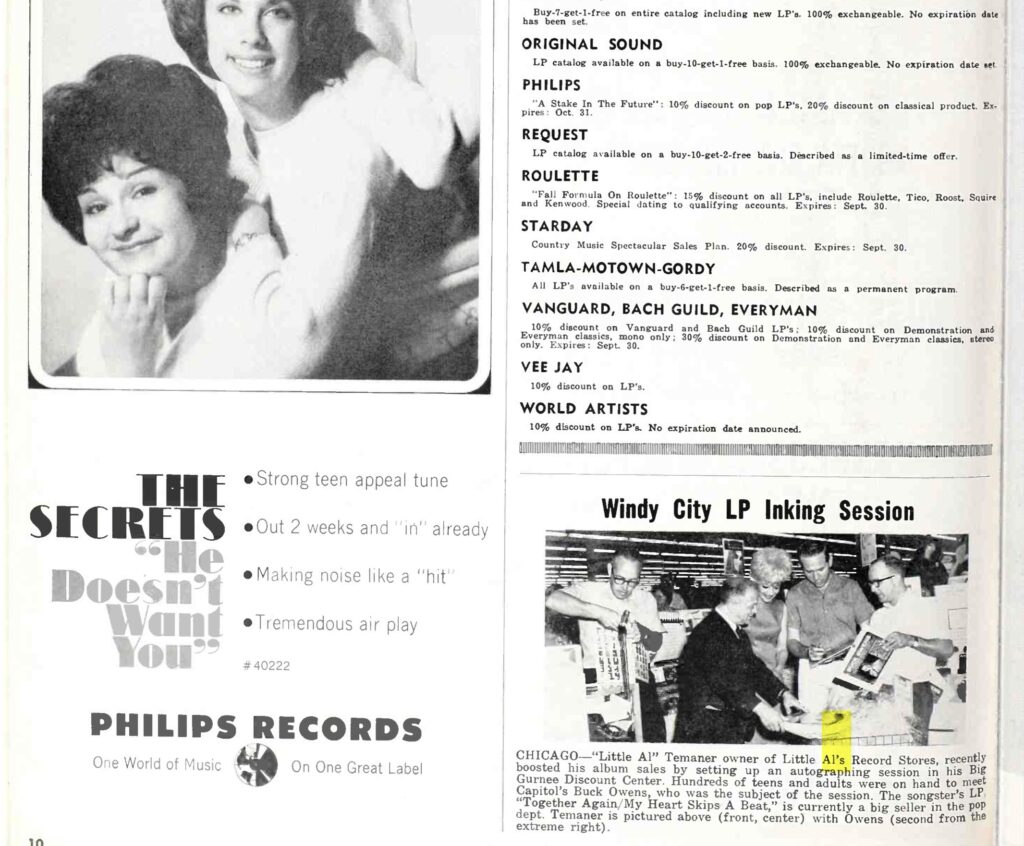
Albert “Little Al” Temaner, record store owner, lived here through the 1970s. He ran a chain of six “Little Al’s” record shops and was known for his collection of pets, including parrots and a 175-pound Saint Bernard named Bernardo, once the Cook County Jail mascot.
20 Neuenfeldt House – 2835 W. Eastwood
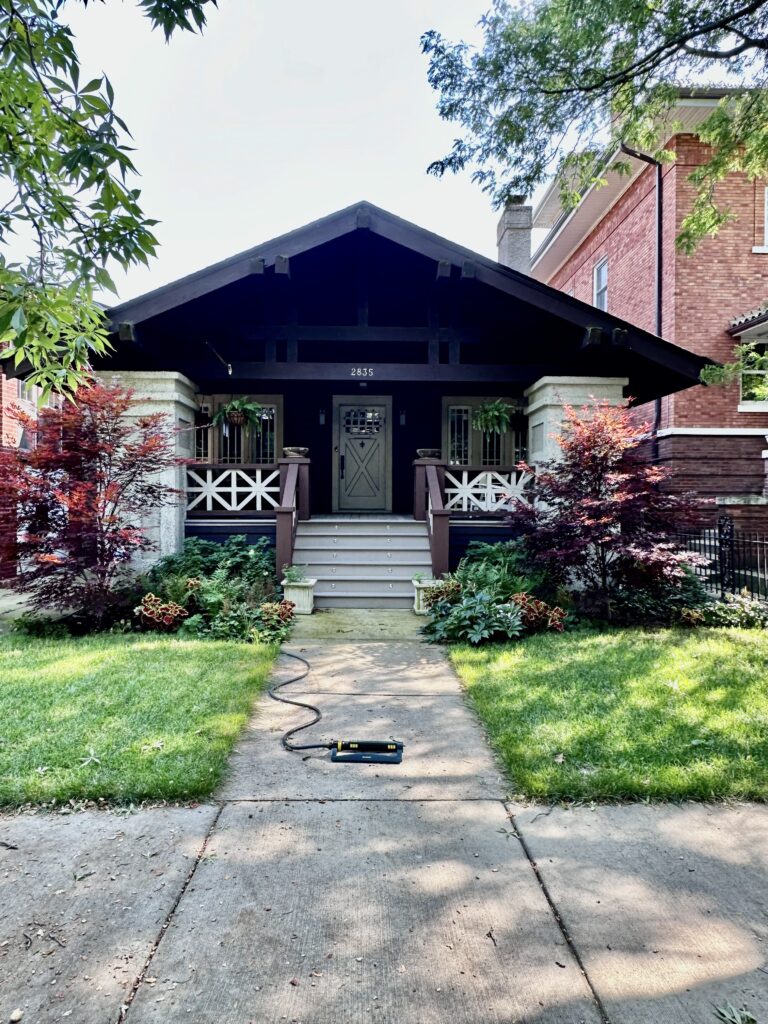
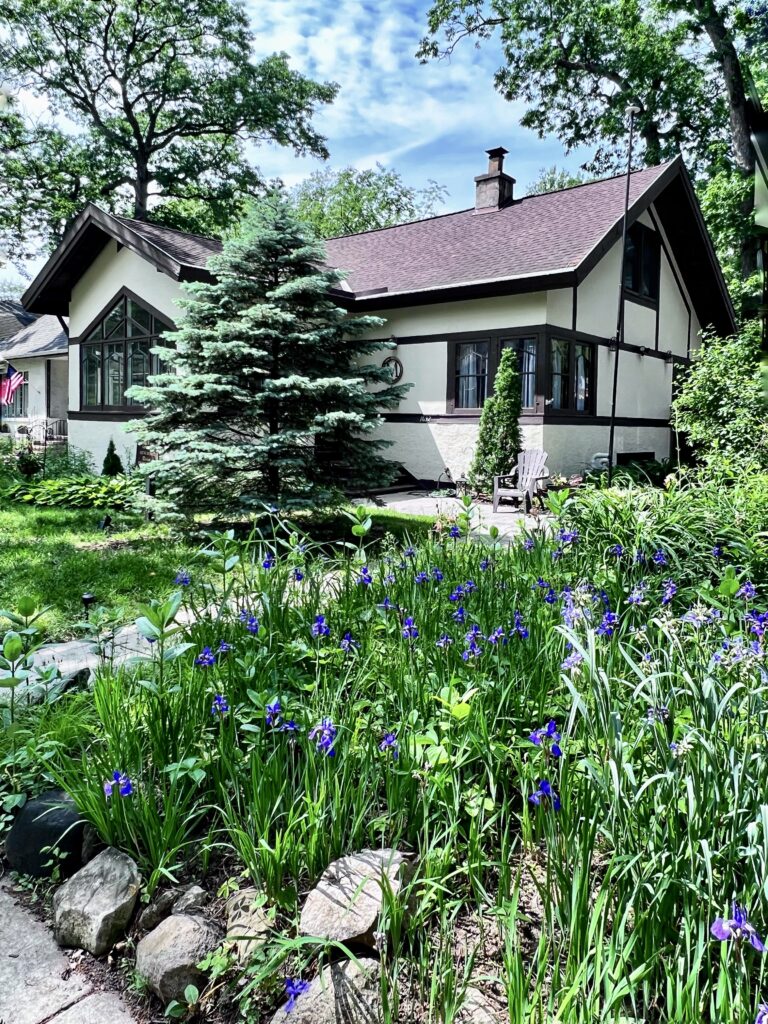
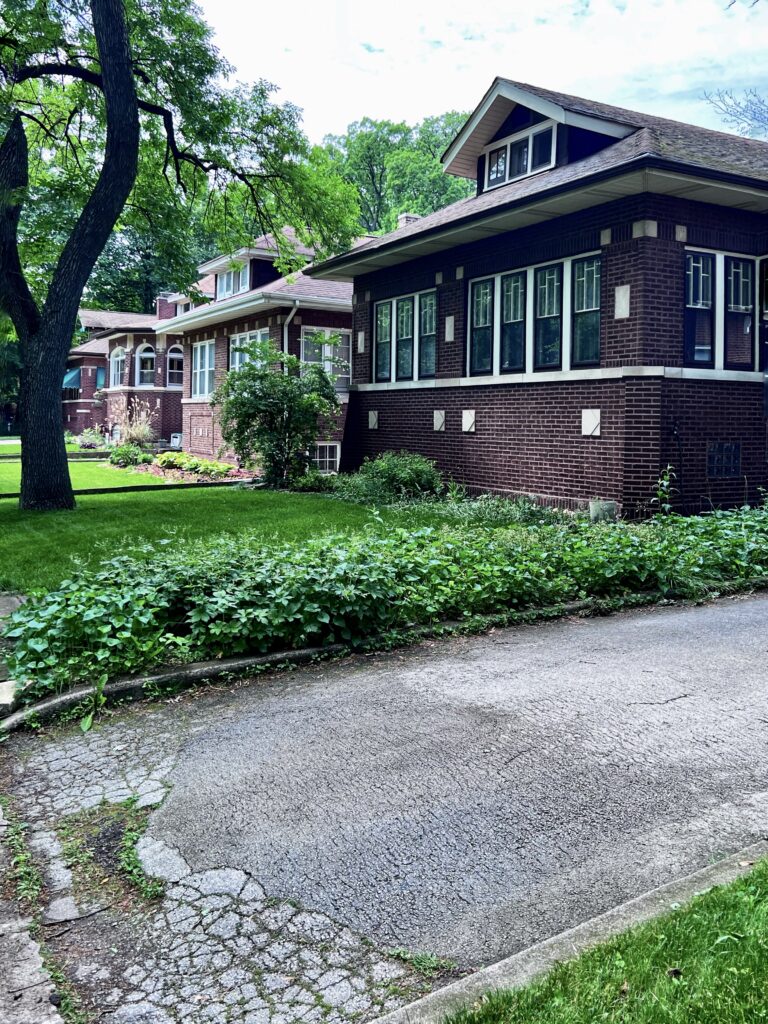
Designed by George W. Klewer, this Craftsman bungalow stands out with its oversized concrete piers, pronounced rafter tails, and touches of Asian and Roman influence in the porch and roofline. Additional photos are of similar bungalows designed by Walter Burley Griffin in Beverly.

- Doorways Of Chicago Coffee Table Book Publication Date: May 5, 2026 – Trope Publishing
- Second Fridays – Save The Date for May 8, 2026 Book Launch Event in the Fine Arts Building!
- Sign Up For My Email List Below
- Architectural Photography Prints & Greeting Card Collections
- Walking Tours and Private Tours: Oldtown/Wicker Park/Ravenswood Manor/Graceland Cemetery/Fine Arts Building/Art Deco
- I’m taking my tours abroad! My curated trip to Peru launches in 2026. Architecture, Ancestry & Ancient Doorways: Peru with Ronnie
- Bus Tours – Step On Guide
- Social Media Creator Services
- Professional Interior Design Services
21 Anders G. Lund Bungalow – 2844 W. Eastwood
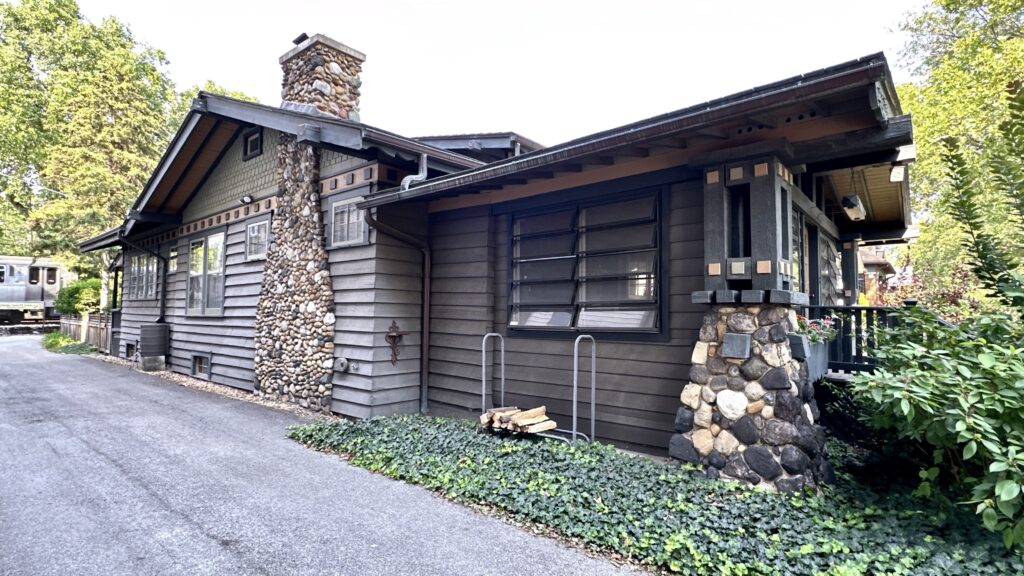
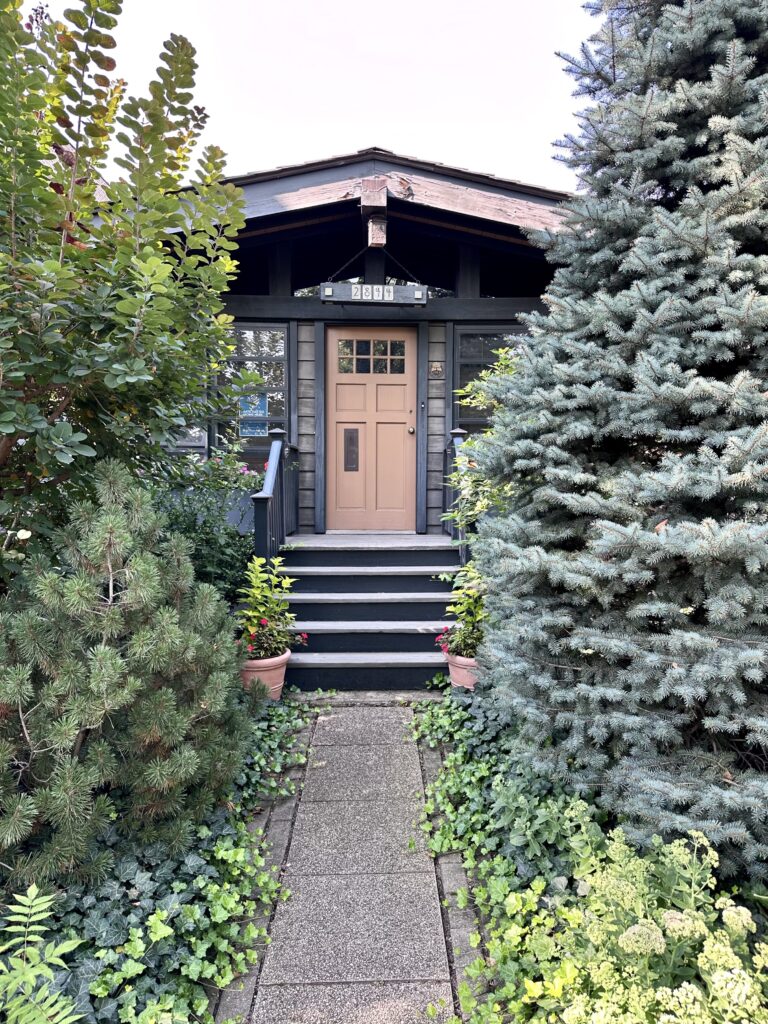
This bungalow’s porch is defined by chunky rubble piers that support four interlocked wooden posts with ornamental square “pegs.” A strong example of Arts & Crafts craftsmanship.
Thank you for joining me on this walk through Ravenswood Manor. You’ve seen how the neighborhood was planned, spotted Craftsman bungalow details, and heard stories of sports legends and colorful neighbors who lived here.
Please take a moment to scan the other code on your handout and leave a quick review—it really helps me keep creating more Chicago tours. Tips are also welcome, as they support the work of bringing more stories like these to life.
Not every neighborhood can say it had garage bands, Globetrotters, and gangsters all in one place—Ravenswood Manor truly can!